
© Copyright 2026 CoastalBlue

HomeBuy Vs Wait

Prices in British Columbia often rise faster than interest rates fall — waiting can cost more than buying.
The Canadian mortgage stress test caps buyers 15–25% below expectations.
Buying now can lock in today's prices; waiting may help if cash flow is tight.
First-time buyer incentives like the First Home Savings Account, the Home Buyers' Plan, and the Property Transfer Tax exemption can tilt the math.
Your Path to Smarter Home Financing
Imagine a $800,000 home in Greater Vancouver with a 15% down payment ($120,000). Mortgage = $680,000.
If rates fall by 0.50% but prices rise 5%, you’ll borrow ~$714,000 instead — meaning your payment could be the same or higher despite the lower rate.
BC Market Snapshot (2023–2025):
| Year | Avg Metro Vancouver Price | Avg 5-Year Fixed Rate |
|---|---|---|
2023 | $1.14M | 5.7% |
2024 | $1.20M | 5.4% |
5.4% | $1.25M | 5.2% |
Prices crept back up while rates stayed high— proving that “waiting” hasn’t always saved buyers.
Want to see this math with your own numbers? I’ll build your Buy-Now vs Wait scenario side-by-side. Or grab my free Buy vs Wait Worksheet.
May save money if rates fall later.
Need strong cash flow to handle short-term hikes.
Predictable payments (budget certainty).
Good fit if you value stability over flexibility.
Not sure if fixed or variable fits you? I can run both options with today’s British Columbia rates and show you the difference in payments.
This strategy makes sense when:
Curious about the costs of refinancing later? I can model those alongside your purchase scenario so you know what’s realistic.
An extra $150–$250/month would strain your budget.
Your job or income is unstable.
You don’t have buffer savings for moving + closing costs.

Want to check your eligibility for the First Home Savings Account, the Home Buyers’ Plan, or the Property Transfer Tax exemption? I can run those numbers with you.
| Scenario | Rates | Prices | Effect |
|---|---|---|---|
Buy Now | Current | Current | Known Payment |
Wait 12 Months | -0.50% | +4-6% | Potentially Higher |
1. Run two scenarios.
2. Pressure-test your budget (utilities, strata, insurance).
3. Consider your 5-year horizon.
4. Talk through fixed vs variable, prepayments, portability.
Want a custom side-by-side “buy now vs wait” model? I’ll run it with today’s British Columbia numbers so you can see the difference clearly.
“There’s no one-size-fits-all answer. The right choice blends math, timing, and your comfort.”
Refinancing later works if today’s payment is affordable.
Waiting helps if your finances aren’t ready.
First-time buyer incentives can shift the balance.
If you’d like, I can walk you through your options in a short call — we’ll look at the math together and make sure you’re confident in whichever path you choose.
Your Path to Smarter Home Financing
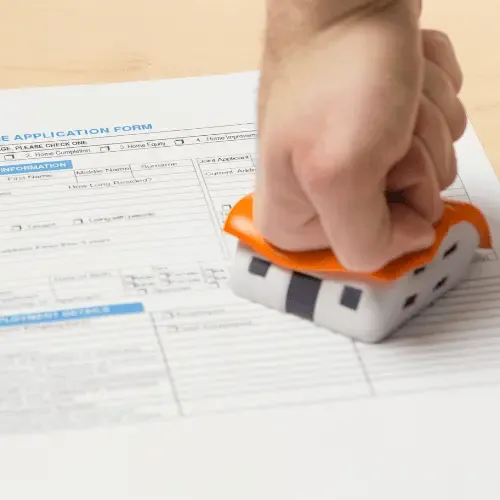
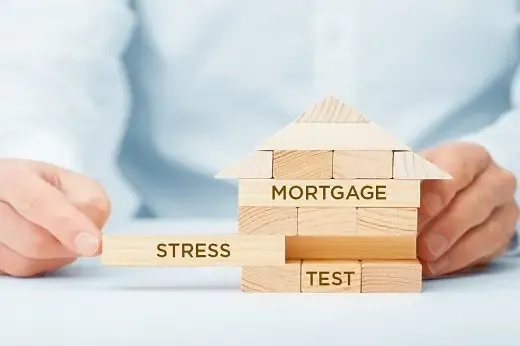
The mortgage stress test is one of the most important — and misunderstood — rules for homebuyers in Canada. It ensures you can still afford your payments if interest rates rise.

What is the stress test?
The stress test requires lenders to calculate your affordability using the greater of:
The benchmark rate set by OSFI — currently 5.25% (2025), OR
Your contract rate + 2%
Who must pass?
All buyers with federally regulated lenders
Both insured and uninsured mortgages
Renewals with a new lender
Even if your mortgage is approved at 4.75%, you must qualify as if it’s 6.75%
Why It Matters?
The stress test can reduce how much you qualify for by 15–25%.
Example: $800,000 Home
01. Buy now: $680,000 mortgage at 5.25% = ~$4,060/month
02. Wait 12 months: $714,000 mortgage at 4.75% = ~$4,080/month
Despite lower rates, higher prices = no savings.
| Factor | Buy Now | Wait |
|---|---|---|
Price | $800,000 | $840,000 |
Mortgage | $680,000 | $714,000 |
Rate | 5.25% | 4.75% |
Monthly Payment | $4,060 | $4,080 |



